


A mattress isn’t just something you sleep on, it’s an investment in your health, comfort, and overall well-being. Since most people spend nearly a third of their lives in bed, taking good care of your mattress is extremely important. It can be the difference between a sinking, sagging, stained mattress and one that’s in tip-top shape even after a decade.
Overall, proper mattress care is about preserving the performance and lifespan of your mattress. Down the road, caring for your mattress can save you money, improve your sleep quality, and create a healthier sleeping environment.
In this mattress protection guide, we dive into everything you need to know about bed cleaning, protecting, and extending the life of your mattress. Whether you’re dealing with stains, allergens, or general wear and tear, these expert mattress cleaning tips will keep your mattress fresh and supportive for years to come.
Why is mattress care important?
Think about this for a second: You lie on your mattress every single night. This means that for roughly one-third of every day, your mattress is enduring the pressure of your body weight, moisture from the sweat and oils on your skin, alongside general dust, allergens, and sometimes spills or accidents. With this in mind, it makes sense that without proper care, mattresses can:
- Accumulate dust mites and allergens that affect sleep and health
- Develop stains and odours that are hard to remove
- Lose their structural support and comfort
- Wear down faster, shortening their useful life
This is why mattress maintenance is so important. Proper mattress care not only preserves comfort but can protect your health by reducing allergens and bacteria buildup.

1. Mattress cleaning: the foundation of mattress care
Have you ever wondered, “How do I clean my mattress?” You’re not alone. Find the best mattress and bed cleaning tips below and learn how to clean a mattress in Canada:
Vacuum to remove dust or allergens
Dust mites in mattresses are a common issue and can trigger allergies or asthma symptoms. Thankfully, vacuuming your mattress regularly with a vacuum cleaner’s upholstery attachment can remove dust, dead skin cells, and mites. Focus on seams and crevices where debris tends to collect. How often should you clean your mattress? We recommend vacuuming every 1 to 3 months.
Spot clean stains
Accidents happen, whether you spill a drink in bed or your pet doesn’t quite make it to the bathroom on time. The key is to act fast. If you notice a stain, blot (don’t rub) it gently with a clean cloth, mild soap, and warm water. You can also use a special mattress cleaner or an upholstery cleaner if you have some handy. Finally, use a damp cloth to remove any soap residue and let the mattress air dry. Make sure to avoid soaking the mattress as excess water may not dry, instead turning into mould or mildew.
Deodorize your mattress
The best way to deodorize your mattress and keep it smelling fresh is to sprinkle baking soda evenly over the surface and let it sit for several hours (or overnight). Baking soda absorbs odours and moisture. Afterward, vacuum it off thoroughly.
2. Mattress protection: the best defence against dirt and grime
The second step to caring for your mattress is to protect it. This can be done in two simple steps.
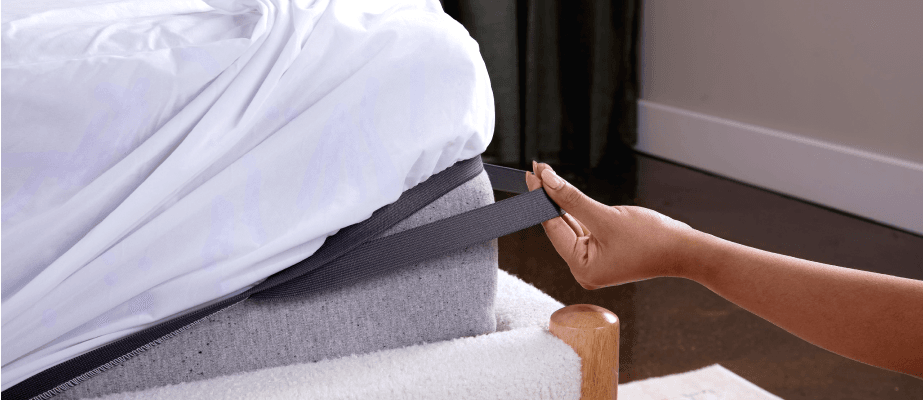
Use a mattress protector
A high-quality mattress protector, especially a waterproof mattress protector like the Casper Mattress Protector and QuickCool™ Mattress Protector for extra cooling, is truly your best line of defence against spills, stains, allergens, and dust mites. When choosing a mattress protector, look for the following:
- Waterproof barrier to protect against liquids
- Hypoallergenic materials to reduce allergens
- Breathable fabric for comfort
- Machine washable for easy bed cleaning (experts recommend washing your mattress protector every 1 to 2 months)
Whether you sleep on a king mattress, a queen mattress, or a twin mattress, a mattress protector can save you significant hassle and expense by preventing damage to your bed. Learn more about different mattress sizes with our Mattress Size Guide.
Choose breathable bedding
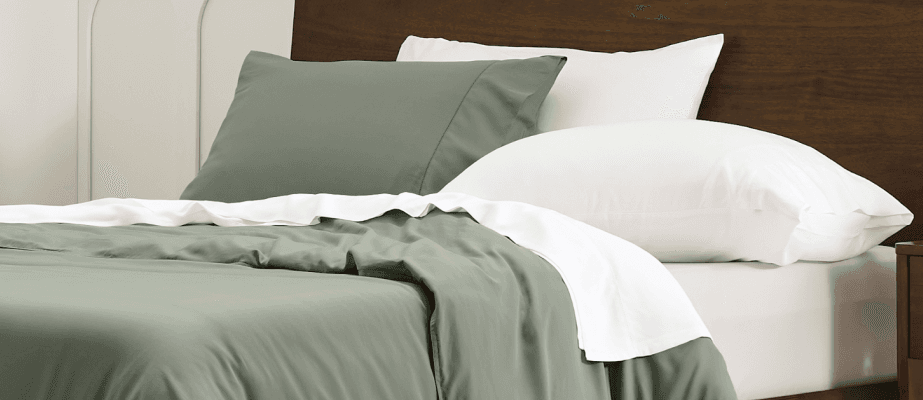
In addition to using a mattress protector, covering your mattress in bedding that is made from natural, breathable materials can help regulate your temperature while you sleep. In turn, this translates to less sweating, which can prolong the life of your mattress. Choose sheets made of cotton or TENCEL™ Lyocell, like Casper’s Sateen Sheets, Percale Sheets, or SuperSoft TENCEL™ Sheets. You should also change and wash your sheets every 1 to 2 weeks to maintain hygiene.
3. Mattress maintenance: tips to preserve your mattress
Extend the lifespan of your mattress by following these mattress maintenance tips.
Rotate and flip your mattress regularly
Over time, mattresses can develop body impressions or start to sag due to uneven pressure. To combat this, rotate your mattress 180 degrees every 3 to 6 months. You can also flip your mattress. If you’re wondering, “Should I flip my mattress?”, be sure to consult your mattress’s manufacturer instructions as not all mattresses are double-sided. With that said, due to their high-quality materials, Casper mattresses don’t require rotation and still deliver optimal comfort and support for up to 10 years.
Support your mattress properly
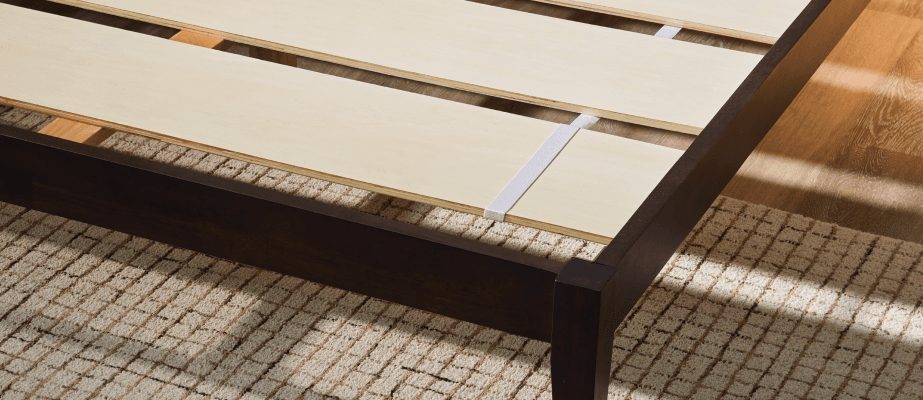
In order to perform well, a mattress requires a solid, supportive foundation, such as a bed frame. Some of the most popular foundations include:
- Bed frames (best for foam and hybrid mattresses, e.g. Casper Repose Wooden Bed Frame or the Harmony Bed Frame with added slat support)
- Adjustable bases (best for foam and hybrid mattresses, e.g. Casper Lifestyle Adjustable Base Pro)
- Box springs (best for innerspring mattresses)
A lack of support can result in premature sagging or damage to your mattress. Meanwhile, the right base can actually prevent sagging. Casper has king, queen, full, and twin bed frames to suit all mattress sizes. For more information on mattress sizes, check out our Mattress Size Guide.
Avoid jumping on the bed
As fun as it can be, jumping on a mattress can damage its internal structure. So if you want to keep your mattress in tip-top shape, try to avoid jumping up and down on it.
Consider adding a mattress topper
By now, you know all about the advantages of a mattress protector, but there are tons of mattress topper benefits too, especially if you’re looking to extend the life of your mattress. A topper, such as the Casper Comfy Topper, adds an extra layer of both comfort and protection.

Keep your bedroom cool
Temperature and humidity can both impact the life of your mattress. Avoid extreme temperatures and extreme humidity, as these can negatively affect the materials in the mattress and even lead to mould growth.
4. Mattress deep clean: for serious stains and spills
If a major accident happens in bed, spot cleaning and a light vacuum may not suffice. In this case, try the following:
Steam clean your mattress
If you want to know how to deep clean a mattress at home, steam cleaning is your best option. Steam cleaning can kill dust mites and sanitize the mattress, but it involves moisture and heat that may damage some materials, so it should be done with caution. Always consult your mattress care instructions before steam cleaning.
Hire a professional cleaner
If your mattress has tough stains, odours, or allergens, consider hiring a professional bed cleaning service that can deep-clean and sanitize your mattress using specialized equipment.
5. Mattress upgrade: when to replace your mattress
Even with the best care, mattresses don’t last forever. On average, a quality mattress lasts 7 to 10 years depending on the type and usage. Signs it’s time to replace your mattress include:
- Persistent sagging or body impressions
- Increased aches or discomfort after sleep
- Allergies or asthma symptoms worsening
- Visible wear, tears, or broken springs
A well-maintained mattress serves you better and longer, but there will also come a time when the best course of action is not to clean or protect your mattress, but to replace it. Take this Mattress Quiz to determine which mattress is right for you and shop Casper’s innovative mattress lineup.

Final thoughts
Your mattress is a significant investment in your comfort and health. By incorporating regular cleaning, protection, and maintenance into your routine, you can extend its lifespan and enjoy better sleep quality for years.
Remember that a clean, well-supported mattress not only feels better but also promotes healthier sleep by reducing allergens and preventing damage. With these expert mattress care tips, you’re set to protect your investment and sleep soundly every night.
FAQs
What is the best way to protect your mattress?
The best way to protect your mattress is by using a durable mattress protector. A waterproof, breathable protector acts as a barrier against spills, stains, dust mites, and allergens. Pair this with breathable bedding made from natural materials, such as cotton or TENCEL™ Lyocell, and regularly wash your sheets as part of your bed hygiene routine to keep your mattress clean and in good condition.
Is a mattress protector really worth it?
Yes! A mattress protector is a smart addition to your bedding collection. It helps keep your mattress cleaner, fresher, and in better shape for as long as possible. They guard against spills, stains, allergens, and even dust mites. Think of a mattress protector as an important layer of defence that helps your sleep setup last.
What is the best way to clean a mattress?
The best way to clean a mattress is to vacuum it regularly (every 1 to 3 months), spot clean any stains with mild soap and water, and deodorize it by sprinkling baking soda over the surface and vacuuming it off after a few hours. Avoid using too much liquid, and always let your mattress dry completely before making the bed again.
Is it a good idea to vacuum your mattress?
Yes, vacuuming your mattress is an effective and safe way to remove dust, allergens, dead skin cells, and dust mites. Use your vacuum’s upholstery attachment and focus on seams and crevices where debris tends to collect. Regular vacuuming helps maintain a cleaner, healthier sleep environment.
How do you get stains out of a mattress?
To remove stains from a mattress, blot (don’t rub) the area with a clean cloth, warm water, and mild soap. You can also use an upholstery or enzyme cleaner depending on the stain. Avoid soaking the mattress as excess moisture can lead to mould. After bed cleaning, use a damp cloth to remove any residue and let the area dry completely.
What’s the lifespan of a mattress?
Most quality mattresses last 7 to 10 years, depending on the type, usage, and how well they’re cared for. Memory foam mattresses like The Casper and hybrid mattresses like the Original Hybrid, typically fall in this range, while innerspring mattresses may have a shorter lifespan. Remember that regular maintenance, like rotating the mattress and using a protector, can help maximize its durability.
How long does a mattress take to dry after cleaning?
Most mattresses take 6 to 12 hours to fully dry after cleaning, depending on the method used, humidity, and airflow. Light spot cleaning may dry faster, while deep cleaning with steam can take closer to a full day. To speed things up, increase ventilation with fans or open windows and avoid putting sheets back on until the mattress is completely dry.
Does dry cleaning kill bed bugs?
No. Dry cleaning a mattress does not reliably kill bed bugs or their eggs. It uses chemical solvents rather than the high heat needed to eliminate bed bugs. While dry cleaning may be suitable for certain removable covers or bedding, treating a mattress with bed bugs requires high heat or professional pest control. For suspected infestations, consult a licensed exterminator.


