


Better sleep starts with the right mattress, but with so many options out there, how do you know which one is best for you? The answer often comes down to your sleep style. Whether you’re a side, back, stomach, or combination sleeper, your preferred sleep position plays a big role in the type of mattress that will keep you comfortable and supported throughout the night.
In this guide, we’ll break down how your sleep style impacts your mattress needs and offer practical tips to help you find the perfect fit. Get ready to wake up refreshed after choosing a mattress tailored to the way you sleep.

Understanding your sleep style: What are the most common sleep positions?
Before you can find your perfect mattress, it’s important to understand your unique sleep style. Most people naturally gravitate toward a certain position during the night, and each one has its own set of needs when it comes to comfort and support. Here’s a breakdown of the four main sleep styles:
Side sleeping
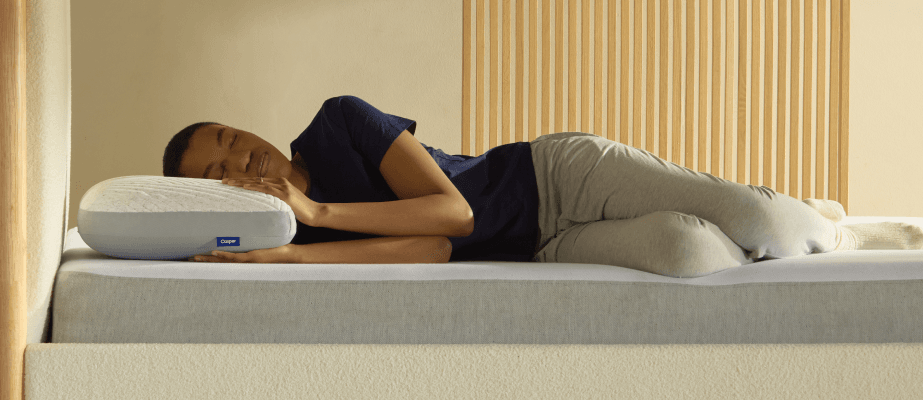
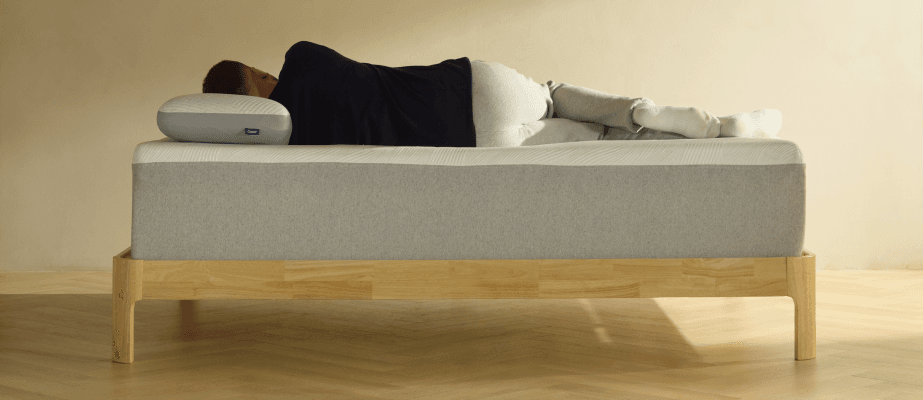
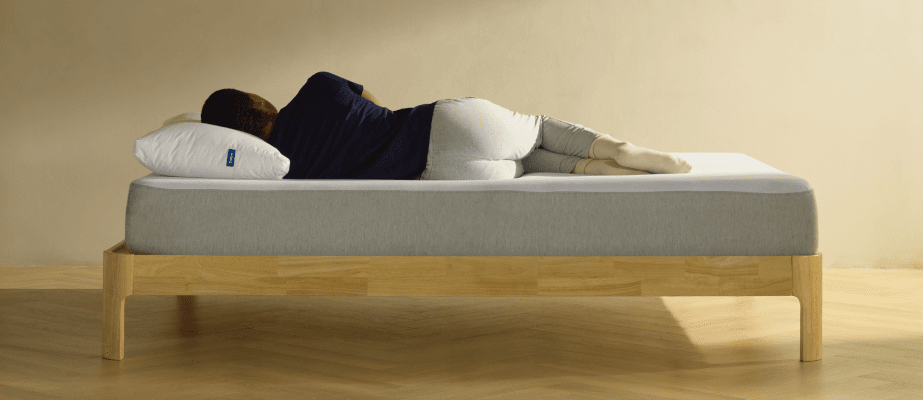
This is the most common sleep position. Side sleepers rest on either their left or right side, often with their legs slightly bent. While this position can help reduce snoring and promote healthy spinal alignment, it also places extra pressure on the shoulders and hips. As a result, the best mattress for side sleepers is typically a mattress that offers ample cushioning and pressure relief to prevent discomfort in these areas.
Back sleeping
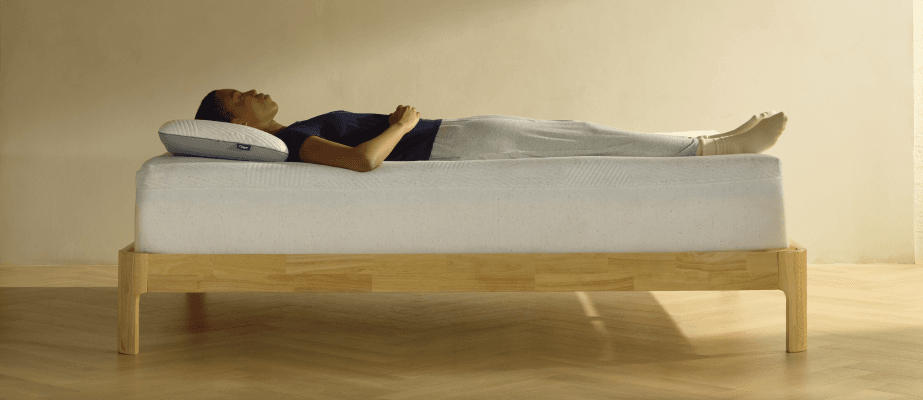
Back sleepers lie flat on their backs with their arms at their sides or on their chest. This position naturally aligns the spine, but it also requires a mattress that is supportive enough to keep the lower back from sinking too deeply, which can cause pain and discomfort. The best mattress for back sleepers should balance firmness and comfort to maintain spinal alignment and prevent backaches.
Stomach sleeping
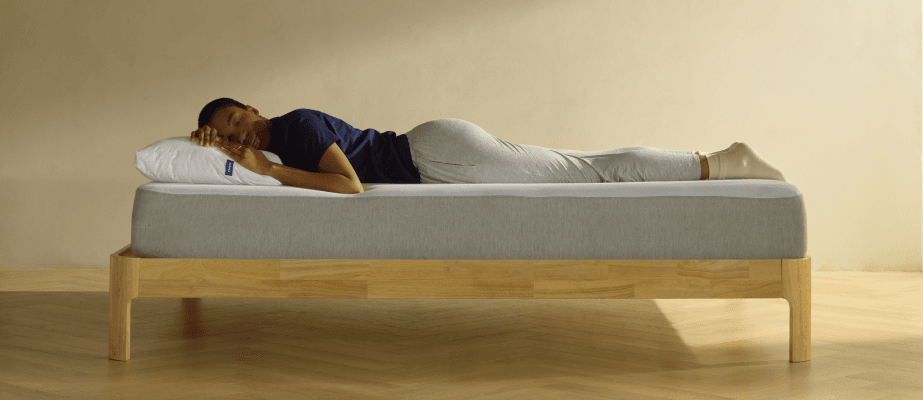
Stomach sleepers rest on their front, with their head turned to one side. While this position can help reduce snoring, it can also put stress on the neck and lower back if the mattress is too soft. The best mattress for stomach sleepers is usually a firmer mattress to keep their hips elevated and help maintain a neutral spine position.
Combination sleeping
Combination sleepers shift between two or more positions throughout the night. If you find yourself moving from your side to your back or stomach while you sleep, you’re a combination sleeper. This sleep style requires a versatile mattress that adapts to different positions, offering both support and pressure relief as you move.
How sleep position impacts mattress choice
Your preferred sleep position does more than just influence your nightly comfort, it directly affects the type of mattress that will best support your body. Each position puts unique pressure on different parts of your body. For instance, stomach sleeping often strains your neck and lower back, while side sleeping most significantly impacts your hips and shoulders.
Ultimately, the right mattress should promote healthy spinal alignment while relieving pressure where you need it most. Choosing the wrong mattress or continuing to use a mattress that should be replaced can put undue stress on your body, leading to aches, pain, and stiffness.
The best mattress types for each sleep style
Choosing the right mattress starts with understanding what your body needs in your preferred sleep position. Here’s an outline of the best types of mattresses for side, back, stomach, and combination sleepers:
The best mattress for side sleepers
The best mattress for side sleepers in Canada are mattresses that provide excellent pressure relief and contouring, especially around the shoulders and hips. A plush to medium-firm mattress, especially those made from memory foam or plush hybrid, can cushion these pressure points and help maintain proper spinal alignment.
Prioritize mattresses that gently cradle the body, reducing tension and preventing soreness, like The Casper memory foam mattress or the Wave Hybrid Snow Plush hybrid mattress featuring Zoned Support™.
Find your perfect pillow match—choose the best pillow for side sleepers to go with your side sleeper mattress (i.e. one that is supportive and plush, cradling your head and shoulders while you sleep), like the Casper Foam Pillow - High Loft or Casper Hybrid Pillow.
The best mattress for back sleepers
Back sleepers require a mattress that supports the natural curve of the spine while preventing the hips from sinking too deeply. A medium-firm mattress is usually the best option, providing enough support for the lower back while still offering comfort for the shoulders.
Hybrid mattresses with ergonomic support or reinforced lumbar areas, like the best-selling Original Hybrid Mattress or the cooling Snow Mattress, both with Zoned Support™, are particularly effective for back sleepers.
Find your perfect pillow match—choose the best pillow for back sleepers to go with your back sleeper mattress (i.e. a low or medium-loft one that supports your head and neck and keeps your spine aligned while you sleep), like the Casper Essential Pillow, Casper Original Pillow, or Casper Foam Pillow - Low Loft.
The best mattress for stomach sleepers
Stomach sleepers require a firmer mattress to keep the hips elevated and the spine in a neutral position. If the mattress is too soft, the midsection can sink, leading to lower back strain. A firm or extra firm mattress, such as a dense memory foam mattress or a supportive hybrid mattress, will help prevent discomfort and promote better posture throughout the night. Explore the budget-friendly Dawn Extra Firm Mattress and the award-winning Wave Hybrid Snow Firm Mattress.
Find your perfect pillow match—choose the best pillow for stomach sleepers to go with your stomach sleeper mattress (i.e. a low or medium-loft one that supports your head and neck and keeps your spine aligned while you sleep), like the Casper Essential Pillow, Casper Original Pillow, or Casper Foam Pillow - Low Loft.
The best mattress for combination sleepers
Combination sleepers who shift between positions during the night need a mattress that balances support and responsiveness. A medium to medium-firm mattress is often ideal, as it offers enough comfort for side sleeping and sufficient support for back and stomach positions.
Responsive materials often found in hybrid mattresses, like the Flex Coils and ProSupport Foam in the Atlas Hybrid Mattress can make it easier to move and adapt as you change positions. The same goes for our award-winning Wave Hybrid Snow Mattress in Medium, which showcases the very best of Casper’s innovation, including Zoned Support™, Snow Technology™, and Gel Support Pods for optimal spinal alignment.
To learn more about Casper Canada mattresses, visit our Compare Mattresses page.
Find your perfect pillow match—choose the best pillow for combination sleepers to go with your mattress (i.e. one that provides the perfect balance of softness and support, cradling your head as you change sleep positions), like the best-selling Casper Original Pillow or Casper Hybrid Pillow.
How to choose a mattress: other factors to consider
While your sleep style is a key factor, there are a few other important details to keep in mind when choosing a mattress:
Body weight and shape
Heavier individuals may require a firmer, more supportive mattress to prevent excessive sinking, while lighter sleepers may find softer beds more comfortable.
Mattress size
When selecting a mattress, make sure to choose one that fits your space and needs. For instance, if you’re sleeping alone, a full size mattress may suffice, whereas for a small child, a twin size mattress would be perfect. Alternatively, if you’re over 6 feet tall or you often sleep with a partner, pets, or young children in your bed, then a king, California king, or split king may be your best bet. Ultimately, the mattress size you choose should reflect your height, weight, and the number of people (or pets!) who sleep with you. For more information on mattress sizes, visit our Mattress Size Guide.
Budget
Quality mattresses are available at various price points. Set a realistic budget, but remember that investing in a good mattress pays off in the long run—not just in comfort, but in durability as well. Look for mattresses made with high-quality materials backed by research and innovation, as these are designed to maintain support and performance over time, ultimately delivering better value and a deeper night's sleep.
Trial periods and warranties
Look for brands that have risk-free trials and solid warranties. Casper Canada offers a 100-night, risk-free sleep trial on all mattresses, along with a 10-year limited mattress warranty.
Final thoughts
Finding the right mattress is all about understanding your unique sleep style and matching it with the right level of support and comfort. Whether you sleep on your side, back, stomach, or change positions throughout the night, there’s a mattress specifically designed to help you rest better and wake up refreshed.
Ready to discover your perfect mattress? Explore Casper’s premium mattress collection and take our Mattress Quiz today.
FAQs
Which is the best type of mattress to sleep on?
The answer to this question depends on your sleep style, among other factors. When it comes to picking a mattress based on your sleep style, the best mattress for side sleepers tends to be in the plush to medium-firm range, contouring the body during sleep, while the best mattress for stomach sleepers and back sleepers is usually a firm mattress, like the Dawn Extra Firm Mattress or Wave Hybrid Snow Firm Mattress.
How do I know my sleep style?
Your sleep style is simply the position you sleep in overnight, with the four most common types being side, back, stomach, and combination. Pay attention to how you naturally fall asleep and wake up. This is the key to choosing a mattress for your sleep style that offers the right balance of support and comfort.
What if I sleep in multiple positions?
If you’re a combination sleeper, look for a medium or medium-firm mattress, such as the Original Hybrid Mattress or Atlas Hybrid Mattress, that provides a balance of support and pressure relief. Responsive materials like the mix of coils and memory foam in hybrid mattresses make it easier to move and stay comfortable as you change positions.
How firm should my mattress be?
Mattress firmness depends on both your sleep position and body weight. Side sleepers usually prefer a plush to medium mattress, while a medium-firm mattress is ideal for back sleepers, and a firm or extra firm mattress is best suited to stomach sleepers. Testing different firmness levels is the best way to find your ideal match. Visit a Casper Canada location near you to test out our mattresses in person.
How often should I replace my mattress?
Most mattresses last 7 to 10 years, depending on the materials, quality, and care. If you notice sagging, discomfort, or waking up with aches and pains, it may be time for a new mattress to support your sleep style. Learn more about mattress care and when to replace your mattress.
What is the best type of pillow to sleep on?
Similar to how many people choose a mattress based on their sleep style, you should also consider your sleep style when selecting a pillow.
For instance, the best pillow for side sleepers tends to be one that is supportive and keeps your spine aligned while you sleep, such as a high-loft pillow like the Casper Foam Pillow - High Loft or Casper Hybrid Pillow.
Meanwhile, the best pillow for back sleepers and the best pillow for stomach sleepers is often a low-loft pillow or mid-loft pillow that supports your head and neck throughout the night, like the Casper Essential Pillow, Casper Original Pillow, or Casper Foam Pillow - Low Loft.


