


When people hear the term sleep tech, they often think of smart watches, sleep tracking apps, or white noise machines. While those tools can provide useful insights into your nightly routine, some of the most effective sleep technology isn't digital at all; it's the technology built into the mattress you sleep on every night.
Today's mattresses are designed with innovative materials and engineering to support spinal alignment, regulate temperature, relieve pressure, and create a more comfortable sleep environment. But does this technology actually help you sleep better, or is it simply clever marketing?
Below, we explore some of the biggest innovations in modern mattress design, along with the science behind them (with insight from our resident sleep expert, Catherine Wright!).

Claim: A supportive mattress is the foundation of better sleep
A supportive mattress does more than feel comfortable; it helps keep your body in a neutral sleeping position throughout the night. Modern ergonomic support systems are designed to cushion pressure points while supporting heavier areas like the hips and lower back, helping reduce unnecessary movement as you sleep.
Many premium mattresses use zoned technology, where different areas of the mattress provide varying levels of firmness to better accommodate the body's natural shape. This allows your shoulders to sink in comfortably while maintaining proper support for your spine.
Both the Casper Original Hybrid Mattress and Wave Hybrid Snow Mattress feature Zoned Support™, engineered to provide ergonomic relief where you need it most, ensuring a deeper, more comfortable rest.
For anyone wondering how to improve sleep quality, choosing a mattress that properly supports your body can be just as important as maintaining a consistent bedtime.
What our sleep expert says:
An optimal sleep surface should support the spine in a natural, neutral position, while allowing areas such as the shoulders and hips to contour comfortably rather than creating excessive pressure or spinal bending.
Research suggests that individualized and regionally responsive mattress support (like the Zoned Support™ in the Original Hybrid and Wave Hybrid Snow mattresses) may promote spinal alignment, pressure distribution, and comfort.
For example, the 2024 Breus et al. study followed 39 adults with poor sleep who used a pressure-relieving, medium-firm grid mattress for eight weeks. Participants reported significant improvements in sleep quality, pain, stress, mood and daytime fatigue.
Together, the research supports an important principle in mattress design: the goal isn't simply a softer or firmer mattress—it's creating the right balance between pressure relief and support for the individual sleeper.
Shop Medium Mattresses and Firm Mattresses with Zoned Support™.
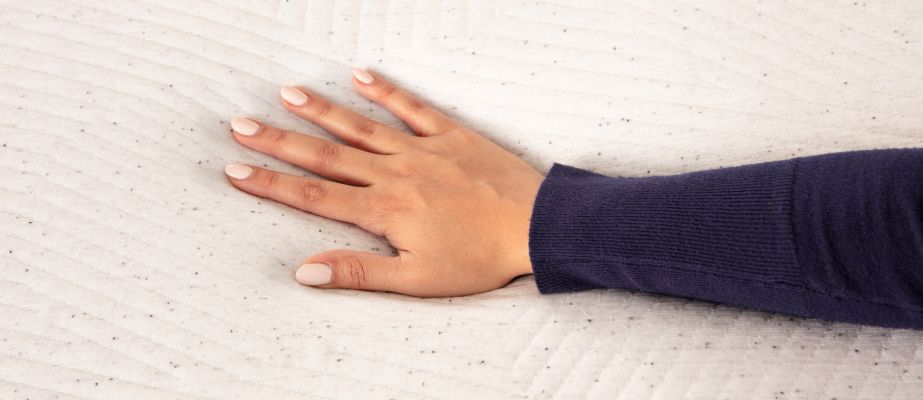
Claim: Hybrid mattress technology combines pressure relief and support
One of the biggest advances in sleep technology is the hybrid mattress. Hybrid mattresses combine responsive foam with individually wrapped coils, bringing together the contouring comfort of memory foam with the stability and airflow of springs. This combination helps distribute body weight evenly while maintaining support across the mattress.
The independently moving coils can also reduce motion transfer, making hybrid mattresses a popular choice for couples. At the same time, increased airflow through the coil layer may help sleepers stay more comfortable throughout the night.
What our sleep expert says:
The 2023 Ren et al. study looked specifically at how the layer structure of a mattress affects pressure relief and comfort. Researchers found that mattresses constructed with a softer upper layer and progressively harder supporting layers underneath provided better body conformity and support. This is particularly relevant to hybrids because this layered approach is essentially what many modern hybrid designs accomplish.
The takeaway? Conforming upper layers help distribute pressure and supportive underlying structures limit excessive sinking and support alignment. The outcome is better quality sleep.
Learn more about hybrid mattresses vs. memory foam mattresses.
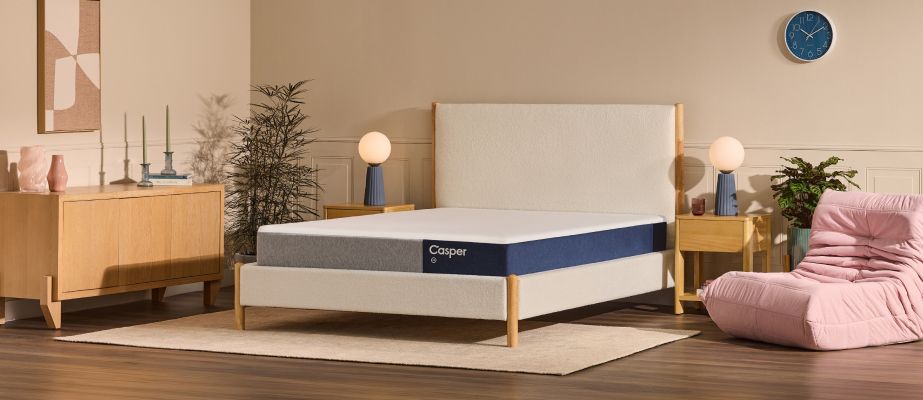
Claim: Mattress technology can reduce motion transfer for more restful sleep
Modern mattress technology can help minimize motion transfer, so when your partner shifts, tosses, turns, or gets out of bed, you’re less likely to feel the movement. This can help create a more stable sleep surface, especially for couples with different sleep schedules or sleeping styles.
Casper Canada mattresses are thoughtfully designed with layers of supportive, responsive materials, including individually pocketed coils and premium memory foam, that help absorb and isolate movement. By reducing the amount of motion that travels across the mattress, they can help minimize nighttime disruptions and make it easier to stay comfortably asleep.
What our sleep expert says:
A 1999 sleep laboratory study found that greater mattress-transmitted partner movement was associated with more light sleep and less deep sleep (the most restorative sleep), with greater disruption on mattresses that transferred more motion.
Mattress construction matters: Interconnected springs can spread movement across the bed, while individually pocketed coils, found in hybrid mattress models, and foam, the basis of memory foam mattresses, help isolate, and absorb motion. The key takeaway? Less motion transfer equals less partner disturbance, giving sleepers greater opportunity for deeper, uninterrupted sleep.
Claim: Cooling technology can help create a more comfortable sleep environment
Body temperature naturally changes as you prepare for sleep. If your mattress traps excess heat, it may leave you feeling uncomfortable, causing tossing, turning, or nighttime wake-ups. That's why cooling has become one of the fastest-growing areas of mattress sleep technology.
Casper Canada’s coolest mattress, the Wave Hybrid Snow, features cooling innovations like:
- Snow Technology™: Combining breathable materials and heat-dissipating layers to help you sleep 6 degrees cooler.
- QuickCool™ Cooling Mattress Cover: A breathable mattress cover featuring cool-to-the-touch fibres.
- AirScape® Cooling Foam with Phase Change Material: Advanced AirScape® Technology and Phase Change Material work together to circulate air and pull heat away from your body, keeping you at a comfortable temperature all night.
- HeatDelete® Cooling Bands: HeatDelete® Bands are engineered to continuously pull heat away from your body for 12+ hours.
- Flex Coil Supportive Pocketed Springs: These coils promote airflow throughout the mattress, working with the cooling layers to ensure a more breathable hybrid mattress experience.
All of these cooling features help move heat away from the body throughout the night. Rather than simply feeling cool when you first lie down, these technologies are designed to maintain a more comfortable sleep surface over time.
What our sleep expert says:
As bedtime approaches, the body begins redistributing heat from the core toward the skin, particularly the hands and feet. This increased heat loss contributes to a slight drop in core body temperature. Note: our bodies drop about 1°C as sleep processes get into gear. In an experimental study, at 32°C (90°F), cooling the back and/or head substantially improved thermal comfort and sleep quality. Sleep efficiency increased from 84.6% without cooling, to 95.3% with combined back/head cooling.
Research also supports the importance of mattress ventilation: a 2020 study by Li et al. found that a highly ventilated mattress provided better thermal performance and sleep quality in hot conditions than conventional latex foam. This supports the rationale behind hybrid mattress construction, as the open coil core may help promote airflow and heat dissipation.
For hot sleepers, a cooling mattress may be one of the easiest ways to improve sleep without changing your bedtime routine. Discover the best cooling mattresses for hot sleepers.
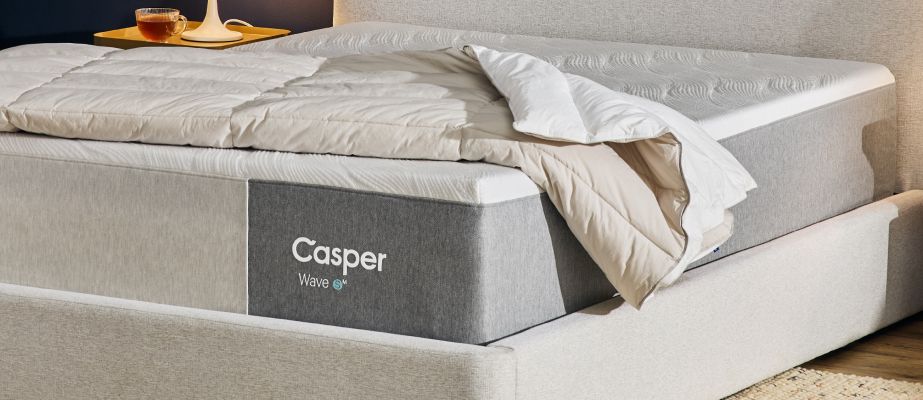
Claim: Adjustable bases bring personalized comfort and can support relaxation beyond bedtime
Sleep technology isn't limited to the mattress itself. Adjustable beds, like Casper’s Lifestyle Adjustable Bases that feature Zero Gravity and Anti-Snore presets, allow sleepers to elevate their head or legs with the touch of a button, creating a more personalized sleeping position. Many people also use adjustable bases while reading, watching television, or relaxing before bed, making them a lifestyle upgrade as well as a sleep product.
Depending on individual preferences, adjustable positioning may also help some sleepers find a more comfortable posture throughout the night.
What our sleep expert says:
Adjustable bases allow sleepers to elevate the head, torso, or legs for personalized comfort and support. Emerging research suggests mild upper-body elevation may reduce snoring and sleep apnea severity (by 35% in some cases), while also helping with nighttime reflux. Split-bed adjustability adds lifestyle flexibility, allowing one partner to read, relax, or watch TV without disrupting the other, while customizable positioning may help reduce pressure and discomfort. This is a huge win for bed partners with different needs or rhythms who want the ultimate sleep sanctuary.
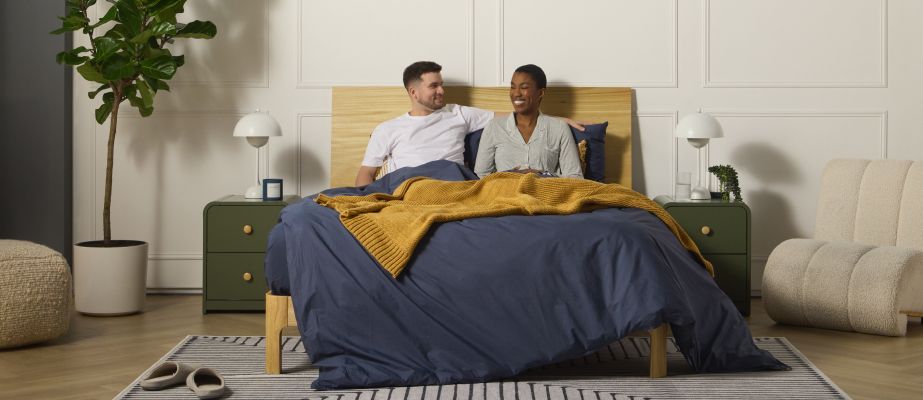
Claim: The right mattress supports good sleep hygiene (but doesn't replace it)
Even the most advanced mattress can't compensate for poor sleep habits. Experts consistently recommend combining a comfortable sleep environment with healthy routines, also known as sleep hygiene. If you're wondering how to improve sleep hygiene, some of the most effective strategies include:
- Maintaining a consistent bedtime and wake-up time.
- Keeping your bedroom cool, dark, and quiet.
- Limiting caffeine and heavy meals before bed.
- Reducing screen time before bedtime.
- Creating a relaxing evening routine (perhaps featuring a motion-sensored light like the Glow Night Light or a silky sleep mask like the Winky Sleep Mask).
A quality mattress complements these habits by creating an environment that's more conducive to restful sleep. Discover more wellness tips from a sleep expert.
What our sleep expert says:
Good sleep hygiene prepares the body and brain for sleep, while an optimized sleep environment helps protect that sleep throughout the night.
Setting the stage for sleep includes habits like following a steady sleep-wake schedule, getting enough daytime exposure to full spectrum light, getting adequate exercise, and limiting exposure to physiological arousal and stress before bedtime. The goal isn't to “force” sleep; it's to strengthen the circadian and behavioural signals that tell the brain when to be awake and when to prepare for sleep.
Cool. Dark. Quiet. Comfortable. An optimized sleep environment supports quality sleep. Mattress features that promote temperature regulation, pressure relief, motion isolation and spinal support can enhance comfort and help minimize disruptions, creating better conditions for continuous, restorative sleep.
Claim: Better sleep quality may support healthier sleep cycles
Many people search for how to improve rapid eye movement (REM) sleep, but there isn't a mattress that can directly increase the amount of REM sleep you experience.
Instead, quality mattress technology aims to reduce factors that interrupt sleep, such as discomfort, overheating, or poor support. By helping you stay asleep longer and experience fewer nighttime awakenings, a supportive mattress may allow your body to move more naturally through the different stages of sleep.
Likewise, if you're searching for how to fall asleep more easily, creating a comfortable, supportive sleep environment can help remove common barriers to falling asleep, alongside maintaining healthy bedtime habits.
What our sleep expert says:
Sleep architecture is the brain’s overnight roadmap, cycling through light, deep, and REM sleep, with each stage playing a unique and important role in restoration. Continuous sleep allows the brain to move naturally through these cycles, including the longer periods of REM sleep that occur later in the night. So it’s not simply, “Did I get eight hours?” but also, “Did my brain have the opportunity to move through healthy sleep cycles?” Sleep is never completely uninterrupted (brief arousals are normal) but minimizing unnecessary disruptions helps protect sleep continuity and restorative sleep.
The importance of sleep tech
While wearable devices and tracking apps often dominate conversations about sleep tech, the technology built into today's mattresses may have an even greater impact on your nightly comfort.
Innovations like ergonomic zoned support, hybrid construction, advanced cooling technology, and adjustable bases are all designed to solve real-world sleep challenges, from pressure relief and spinal support to temperature regulation and personalized comfort.
Although no mattress can guarantee perfect sleep, combining quality sleep technology with good sleep hygiene is one of the most practical approaches for how to improve sleep quality. As sleep research continues to evolve, modern mattress design is increasingly informed by what we know about comfort, recovery, and the importance of creating an environment that helps you fall asleep, stay asleep, and wake feeling refreshed.
Shop Casper Canada mattresses.
FAQs
What is sleep technology?
Sleep technology, or sleep tech, refers to products, materials, and innovations designed to support a more comfortable and consistent sleep experience. While many people associate sleep tech with wearable trackers and sleep apps, it can also include mattress technologies such as cooling materials, ergonomic support systems, hybrid construction, and adjustable bases.
Does sleep technology actually improve sleep?
Sleep technology can help address common factors that may interfere with comfortable sleep, such as overheating, pressure buildup, motion transfer, or inadequate support. A mattress cannot guarantee better sleep, but choosing sleep technology that suits your individual comfort needs can help create an environment that supports healthy sleep habits.
What are some easy ways to improve sleep?
Some easy ways to improve sleep include keeping a consistent sleep schedule, creating a cool and dark bedroom, reducing screen exposure before bed, limiting caffeine later in the day, and developing a relaxing nighttime routine. Your mattress and bedding can also play a role in creating a comfortable sleep environment. Discover more wellness tips from our sleep expert.
How can I improve my sleep quality?
If you're wondering how to improve sleep quality, start with the basics: maintain a consistent sleep schedule, prioritize a comfortable and supportive sleep environment, keep your bedroom cool and quiet, and follow healthy sleep hygiene habits. If discomfort, overheating, or partner movement regularly disrupts your sleep, evaluating your mattress can also be worthwhile. Casper Canada offers cooling mattresses for hot sleepers, as well as mattresses for couples.
How can I fall asleep faster?
If you're wondering how to fall asleep faster, try creating a consistent wind-down routine and giving yourself time to relax before getting into bed. Keeping your bedroom cool and comfortable, reducing bright light and screen exposure in the evening, and going to bed at a consistent time can also support your natural sleep routine.
Can a mattress help with sleep quality?
A mattress can contribute to sleep quality by providing appropriate support, pressure relief, temperature regulation, and motion isolation. The ideal mattress depends on factors such as your preferred sleeping position, body type, comfort preferences, and whether you share your bed with a partner. Learn more about choosing the perfect mattress for your sleep style and take our Mattress Quiz.
Is a cooling mattress worth it for hot sleepers?
For people who regularly feel too warm at night, a cooling mattress may help create a more comfortable sleep environment. Features designed to promote airflow and dissipate heat can help manage the temperature of the sleep surface throughout the night. Casper Canada's Wave Hybrid Snow Mattress combines several cooling technologies, including HeatDelete® Cooling Bands, AirScape® Premium Cooling Foam, a QuickCool™ Cooling Mattress Cover, and Snow Technology™ to help hot sleepers stay more comfortable. Discover the best cooling mattresses for hot sleepers.


