


Sleep and mental health are deeply connected. When we sleep well, we tend to think more clearly, manage stress better, and feel more emotionally balanced. When sleep suffers, everything from mood to concentration can quickly become more difficult.
But why does sleep have such a powerful effect on mental health? And what can people do when stress, grief, or anxiety start interfering with rest?
To explore these questions, we spoke with Preston Steinke, Registered Psychotherapist (Qualifying) at Yorktown Family Services, who works closely with children, youth, and families navigating grief, trauma, and major life transitions.
In this Q&A, Preston explains the science behind sleep and emotional regulation, why anxiety often spikes at night, and how improving sleep comfort can support overall mental well-being.
Meet the mental health professional: Preston Steinke
Preston Steinke is a Registered Psychotherapist (Qualifying) at Yorktown Family Services. He works in the organization’s Growing With Grief program and the Rapid Access Therapy What’s Up Walk-In program, supporting children, youth, and families experiencing loss, trauma, anxiety, and major life changes.
Since joining Yorktown in 2023, Preston has used a trauma-informed, client-centred approach to help young people build coping skills, regulate overwhelming emotions, and restore a sense of safety in their daily lives.
A key protective factor in his work is healthy sleep. Preston helps young people and families understand how stress, grief, and anxiety affect the nervous system, and how practical sleep strategies can promote resilience and emotional stability.
He is passionate about creating supportive spaces where young people feel heard, understood, and empowered in their healing process.

Q&A with a mental health professional
1. “Sleep and mental health are connected.” What does that mean?
Preston: There is a strong connection between sleep and mental health. When a grief client is struggling to sleep, we usually hear that everything else feels harder (emotions feel bigger, energy is low, stress is tougher to manage, and it’s more difficult to think clearly or cope with the day’s challenges). This leads to further sleep struggles, and the cycle continues over and over again.
2. What happens in the brain when we don’t get enough quality sleep?
Preston: When clients are sleep-deprived, the parts of the brain that help with focus and emotional control don’t work as smoothly, so emotional regulation is harder to manage, and it’s harder to relax, calm down, or focus on coping strategies.
3. Why is sleep often one of the first things to suffer with grief, stress, anxiety, or depression?
Preston: When clients are stressed or anxious, their mind and body often stay “switched on” at night, so worries, racing thoughts, or heavy feelings make it hard to fall asleep or stay asleep. When they feel safe enough to rest, this indicates that they are also starting to feel safe enough to acknowledge, process, and engage with their grief.
4. What changes might someone notice emotionally when their sleep improves?
Preston: As sleep improves, people often describe a longer fuse, fewer intense emotional ups and downs, better concentration, and feeling more able to handle whatever the day brings. For grief clients, it comes down to creating a safe and secure environment for children to regain stability and security in their lives. Having a sleep environment that promotes safety and comfort positively impacts their sleep, which helps them in their journey of processing their grief.
5. Why does anxiety tend to spike at night?
Preston: Why anxiety can get worse at night is because there are fewer external distractions, as well as open space for the mind to wander. Due to this, worries and negative thoughts about the past, present, and future can feel louder.

6. How much sleep do most adults need for mental well-being?
Preston: Most adults do best with roughly seven to nine hours of sleep, but we pay more attention to how rested someone feels and how their mood and coping change when their sleep improves or worsens.
7. How can a calming sleep environment help with mental noise or anxiety?
Preston: Bereaved kids have had brain-altering experiences affecting their sense of security. Their sense of safety and stability has been torn down, which can lead to mental health challenges. Having a calming and safe sleep environment to rebuild this security and strengthen safety will promote mental well-being.
8. Do sensory factors like temperature, softness, and support matter?
Preston: Physical comfort matters. When the mattress, pillow, blanket, sleep aids, and room temperature reduce pain and restlessness instead of adding to it, it’s much easier for the body to relax and stay asleep.
9. Can a better mattress or pillow really affect mood or stress?
Preston: A new mattress or pillow isn’t a mental health treatment, but if it reduces pain, tossing and turning, and increases a sense of comfort, safety, and stability, people can have better energy, patience, and stress tolerance during the day.
10. Can improving sleep comfort be a first, simple step toward better mental health?
Preston: For many people, making sleep more comfortable, safe, secure and consistent is a practical first step that supports everything else they’re doing for their mental health, including therapy, medication, and lifestyle change.
Tips for improving mental health through better sleep
Improving sleep doesn’t always require major lifestyle changes. Often, small adjustments to routines and sleep environments can make a meaningful difference for both sleep quality and mental health.
As Preston Steinke explains, creating a safe, comfortable, and consistent sleep environment can support emotional regulation, reduce stress, and help people feel more prepared to cope with daily challenges.
Here are a few practical strategies that can help improve mental well-being through better sleep.
Create a consistent sleep routine
Going to bed and waking up at roughly the same time each day helps regulate your body’s internal clock. Consistent sleep schedules make it easier to fall asleep and wake up feeling rested.
Try to develop a calming routine before bed, such as reading, stretching, or listening to relaxing music. These cues help signal to the brain that it’s time to wind down.
Reduce mental stimulation before bed
Late-night stress, social media, and work emails can keep the brain in an alert state. Since anxiety often becomes louder at night when distractions disappear, it helps to create a buffer period before bedtime.
Consider limiting screens for 30 to 60 minutes before bed and replacing them with calming activities.
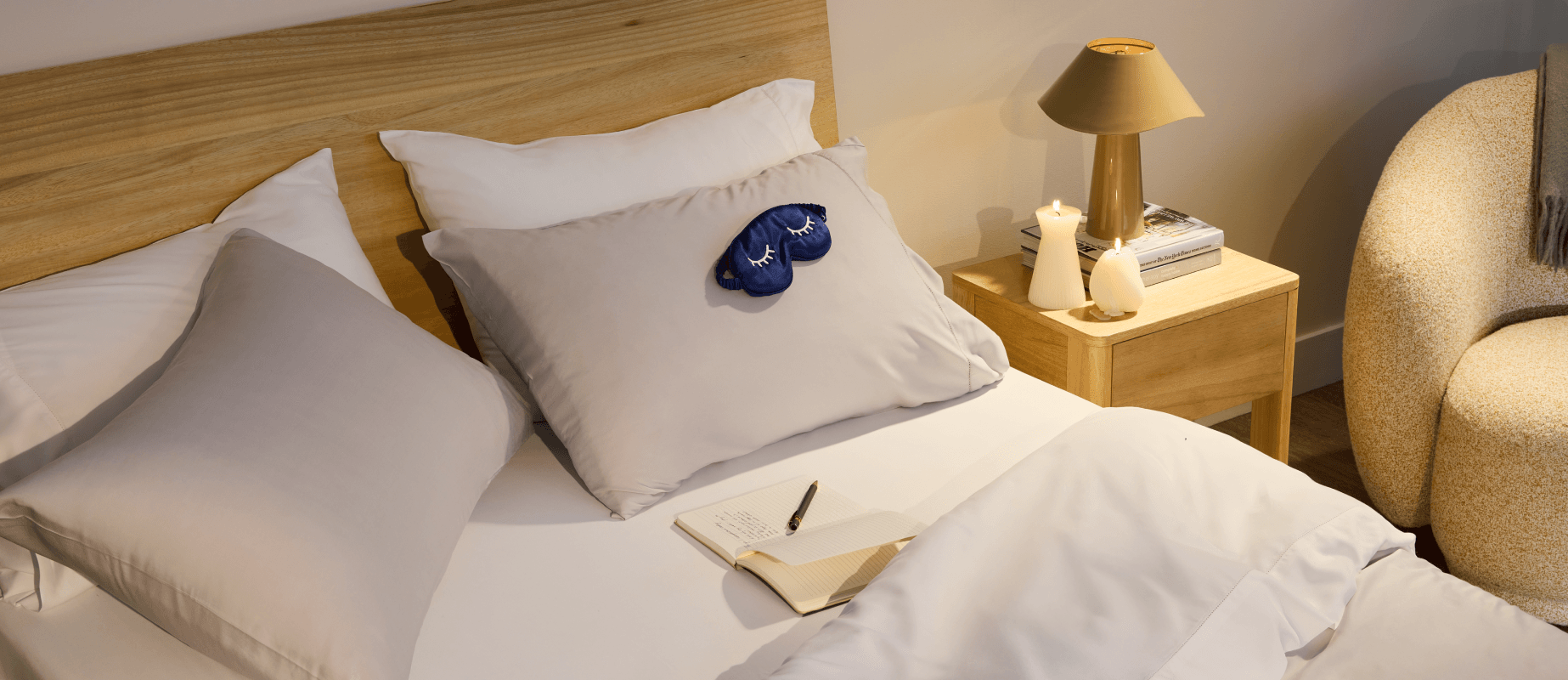
Make your sleep environment calm and comfy
Your sleep environment can significantly affect how easily your body relaxes. A bedroom that feels safe, quiet, and comfortable supports deeper, more restorative sleep.
Factors that can help include:
- Dim lighting (have you tried the motion-sensored Casper Glow Night Light)
- A comfortable mattress (like The Casper Mattress or Original Hybrid Mattress)
- Supportive pillows (such as the Casper Foam Pillow and Hybrid Pillow)
- Comfortable room temperature
- Minimal noise and distractions

Invest in physical comfort
Physical discomfort, like pressure points, overheating, or poor neck support, can lead to restless nights. When your body is comfortable, it becomes much easier for the nervous system to settle into sleep.
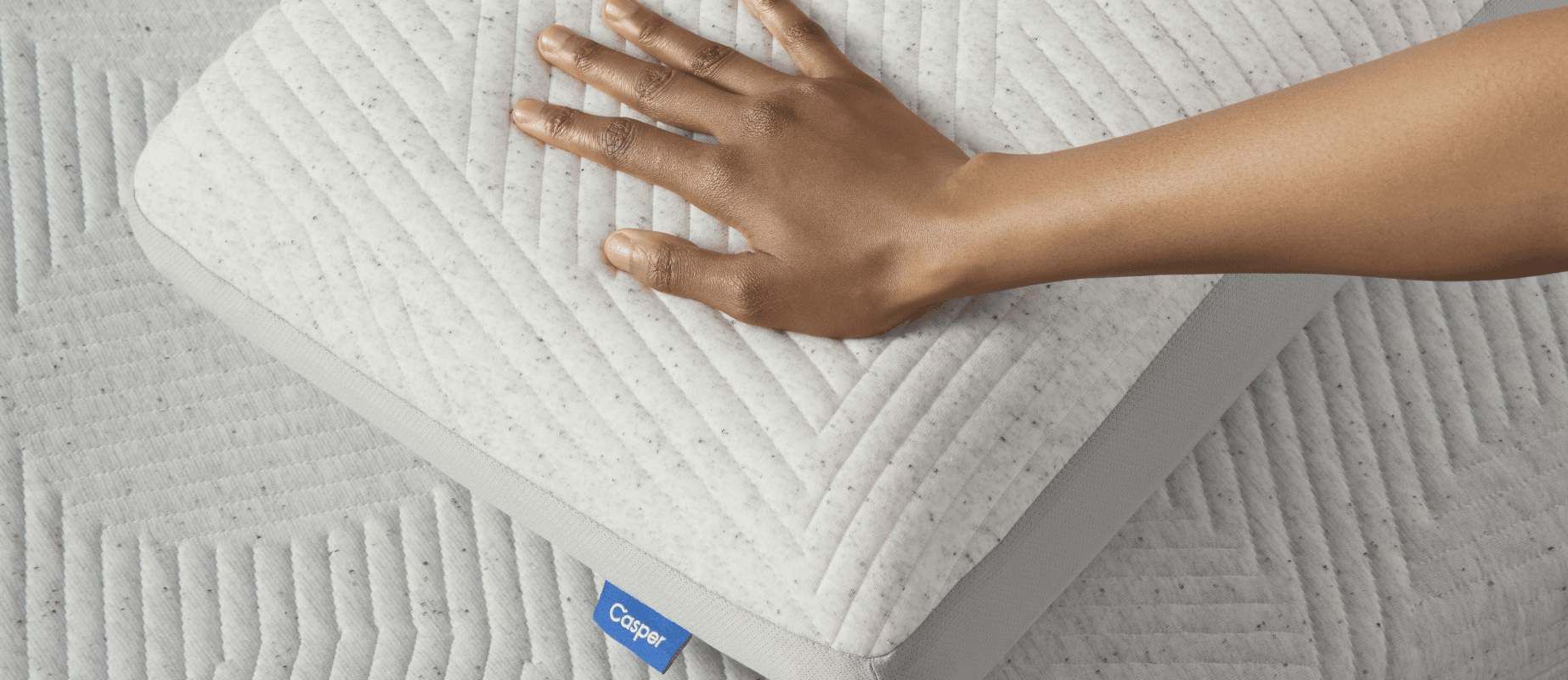
For example, supportive sleep products like the Original Hybrid Mattress with ergonomic Zoned Support™ and the Foam Pillow with a memory foam core, can help reduce tossing and turning, allowing the body to remain relaxed throughout the night. Meanwhile, breathable foam layers and cooling technology, such as the Snow Technology™ in the Wave Hybrid Snow Mattress, can also help regulate temperature during sleep.
Other cooling sleep products that can improve physical comfort and support healthier sleep may include:
- Hybrid Pillow with Snow Technology™
- Foam Pillow with Snow Technology™
- SuperSoft TENCEL™ Sheets
- Percale Sheets
- QuickCool™ Mattress Protector
- QuickCool™ Pillow Protectors
Focus on sleep as part of mental health care
Sleep alone isn’t a cure for anxiety or depression, but it can be an important foundation for recovery.
As Preston notes, improving sleep comfort can be a simple first step that supports other mental health strategies such as therapy, medication, and stress-management techniques.
When people begin sleeping better, they often notice:
- Improved mood
- Greater emotional resilience
- Better concentration
- Increased patience and stress tolerance
In other words, good sleep helps give the brain and body the resources they need to handle life’s challenges. For additional support and mental health care services, consider reaching out to Yorktown Family Services for compassionate, community-based support.

Final thoughts
Sleep and mental health are closely connected. By improving sleep habits, creating a calming environment, and prioritizing comfort, people can strengthen their emotional resilience and overall well-being.
Small changes, like adjusting a bedtime routine or improving sleep comfort, can make a meaningful difference in both how we sleep and how we feel during the day.
FAQs
Why is sleep important for mental health? What is the impact of sleep on mental health?
The reason why sleep is important for mental health is that sleep helps the brain regulate emotions, manage stress, and restore energy. When sleep is poor, people may feel more irritable, anxious, or mentally drained.
Can better sleep help reduce stress?
Yes. Quality sleep helps balance stress hormones and improves emotional resilience, making daily challenges easier to handle.
How do I know if poor sleep is affecting my mood?
Common signs of how sleep affects mood and stress include irritability, trouble focusing, low energy, and feeling more anxious than usual. If these improve after better sleep, rest may be a key factor.
What helps create a better sleep environment?
A cool, dark, quiet room can improve sleep. Comfortable bedding and supportive products, like the Original Hybrid Mattress, Wave Hybrid Snow Mattress, Foam Pillow, Hybrid Pillow, Glow Night Light, Winky Sleep Mask, and SuperSoft TENCEL™ Sheets, can also help reduce restlessness.
Can a mattress or pillow really improve sleep?
Yes. Supportive mattresses and pillows help align the body and reduce pressure points, which can prevent tossing and turning during the night. Consider a mattress with extra ergonomic support like the Original Hybrid Mattress and Wave Hybrid Snow Mattress, both of which feature Zoned Support™.
What is the connection between sleep and emotional well-being?
When people sleep well, they often feel calmer, more focused, and better able to manage stress and emotions.
What are simple ways to improve sleep?
Start with small habits like keeping a consistent bedtime, limiting screens before bed, dimming the lights using the Glow Night Light, and using comfortable sleep products, such as supportive mattresses (e.g., The Casper Mattress) or cooling pillows (e.g. Hybrid Pillow with Snow Technology™).
Are there additional resources available for those dealing with mental health?
Yes, there are many community-based supports available. For accessible, compassionate care including counselling, family support, and mental health services, consider reaching out to Yorktown Family Services, which offers a range of programs designed to support individuals and families at every stage.


